Showing posts with label GM Tips. Show all posts

Friday, February 16, 2018

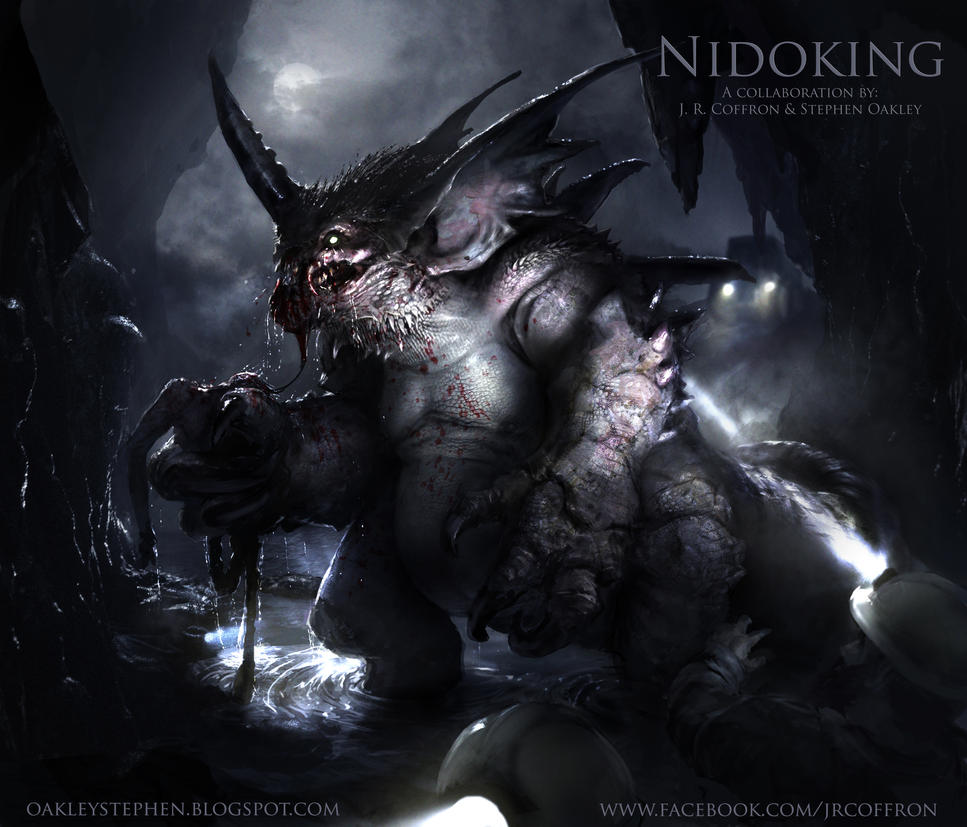
Fallout Genesys - The Institute

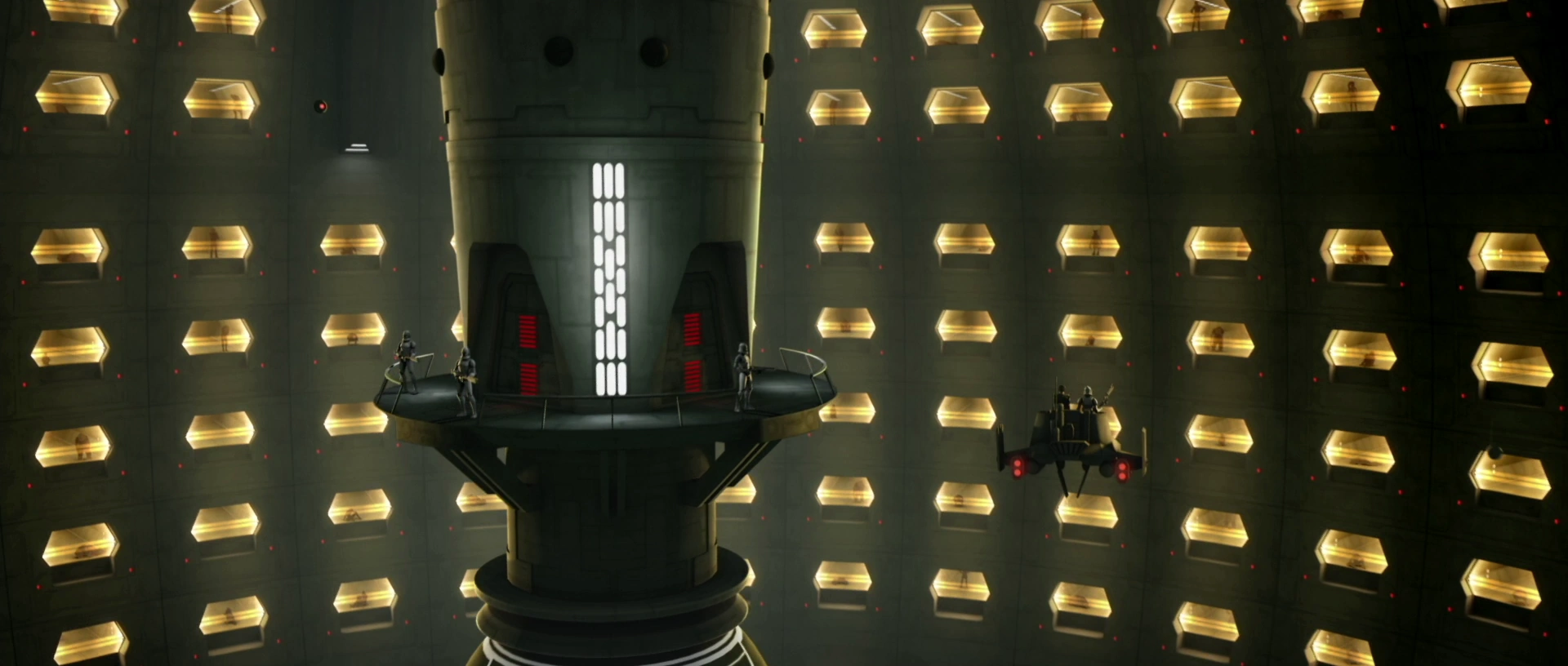
Image (c) Bethesda Softworks 2015

We're back with another "DLC" update to my Fallout Theme for the Genesys Role Playing System!

One of the major protagonists in the Commonwealth is the secretive and scientifically advanced Institute. Built from the ashes of the Commonwealth Institute of Technology, the Institute has been around for hundreds of years, advancing technology well beyond anything thought possible even before the Great War that destroyed much of human civilization. This update includes a general description of the faction, some of their weapons and armor, and a smattering of Adversaries. Also, you'll find rules for playing Generation 3 Synths in the Fallout wastelands, either as a spy for the Institute or as a run-away. If you're on the run, be careful of Coursers from the Synth Retention Bureau, they're on your trail and are among the more dangerous adversaries out in the wastes...

You can find a copy of the Institute DLC as part of the overall theme document, linked above.

Now, the DLC has basic stats for playing a Synth, but some players and GMs might be concerned about using those stats, especially if they're trying to keep the fact that the player is a synth secret. The GM might even want the player to be unaware that they're a synth, and play it like the Fallout 4 characters [REDACTED], [REDACTED], or even [REDACTED]. If you wish to do that, simply use the stats for any of the human archetypes presented in the core rulebook. There's no reason to think that the Institute couldn't make a synthetic human with those qualities instead of those of the traditional Gen 3 synth, and it allows you to surprise the other PCs (or even that character's player) with the fact that they are a synth.

I seem to be on a roll with these DLC updates for Fallout. I've had some requests for more adversaries, but I think I really want to get one of the beefier and potentially more fun updates rolling; salvaging, scrapping, and crafting. Once I present rules for that, they'll be incorporated into the rules for creating and managing your own settlements in the wastes.

More juicy bits of web goodness are coming, folks. Until then, go scare a PC by pitting them against a Courser.

May the dice be with you.

Image (c) Bethesda Softworks 2015

Sunday, June 18, 2017

Rookies - First Time GMs


So it's Father's Day, and I like many parents in this hobby have the pleasure of sharing gaming with my step-son. He's played in one campaign of mine and is lining up to be in the next one. He's come along as a player.  

In the meantime, he's started playing games with his peers; his own friends from high school and college. Actually, he's started down the path of game-mastering, running games for his friends. Frankly, I dimly recall my own first time experiences running games back when I was his age; another decade...hell, another millennium ago. Not only that, but when it comes to Star Wars gaming, I ran 5 whole systems ago. The West End Games system had different rules, but not really a different vibe. WEG's system was ahead of it's time, it had a narrative core layered on with rules and crunch bloat.

As I said, I don't recall much of specific challenges I faced when I was my son's age, but as an exercise, I realized it could be an interesting experience to talk to Jason about the challenges he's facing as a rookie GM.

So why did you want to run a Star Wars game?

Because I've been playing it enough, I wanted to try being the GM.  It's the game system I've enjoyed the most out of what I've played.
What else have you played?

Mutants and Masterminds, the White Wolf games like Vampire, Werewolf, and those. What's their fantasy game...Exalted?  I think I played one of your Rifts modules, but not in the Rifts systems (likely one of my many attempts to hack it to another system).  

I tried the latest Marvel Super Heroes game, but I found the system too complex.

How many times have you run a game?

Three times so far, and they've been all really small groups; 2 people. I've got 5 players, it's just problematic trying to get them all together, so I run with whoever can show up.
 
Talk to me about your experiences running the game; what aspects are you finding a challenge and is anything coming to you easy?

I've been running adventure modules so far, and it involves a lot of "fleshing it out". They give you a good map to follow, and suggest a lot of stuff for plotlines in between; side quests and things like that. I've been trying to do that, but I've had two problems; the first issue is I've found that fleshing out the book's suggestions is tough.

The other problem is my PCs are relatively new to this, and are more focused on following the main storyline, so some of the side quest stuff is out of their interest.  Like, in Mask of the Pirate Queen, the players are eager to take the bounty contact without doing any background checks on the employer or obtain any information about the target of the bounty. They just want to take the contract and advance the story line.

As far as what's easy?  Combat is really easy, the PCs are all over that, and I enjoy the way the Star Wars system works. It's so open for what you can try to pull off with the results of the rolls.

Rules wise, what's the hardest obstacle you've found?

When I can use skulduggery (laughs) It's really just that you can use a variety of skills for a variety of situations. I'm just trying to figure out which skill you want to use or how to use it given any situation I encounter.

You're running your players through several printed modules. Do your players do what you expect, or are they going "off the rails"? Do you think the books handle that problem, or are you having to come up with your own solutions?

They're not even going off the rails, they're pretty much sticking with them. They straight-line the plot line and don't get distracted with any side topics.  Although they did decide to murder a Rodian shop assistant...

It's like they're playing Diablo; follow the main story and no side quests.

Do you want to create your own adventures?  Any ideas of what you want to come up with for a story or plot idea?

Absolutely, but I'm kinda stuck on what I'd want to do for an adventure with them. Thus far we only have one person in the group who's gamed before. Bringing the newbies through the various adventure modules is a good start. But I'll eventually run out of modules.

Honeslty, I think I'd like to run something similar to Beyond the Rim; find something, retrieve it, have stuff happen in between, and then they discover what they retrieved isn't what they originally thought. 

What setting would you like to run the game in?  Rebellion? Outer Rim?  Force and Destiny?

Probably a freeform game. If everyone shows up we've got two Edge of the Empire characters and three Force users. I think Edge of the Empire is the way to go for this group.

How have your players been taking to the game?

They seem to enjoy it. I mean, they show up, throw some dice, attempt to kill people, and have a good time.

What's their play style?

"Blow everything up". The last game I played that my buddy Everett was running, we had two Hired Guns, two Bountry Hunters, and me as the Demolitionist.  So yeah; "blow everything up".  We had to rescue someone from a building and the other players started throwing explosives through the windows.

I can't image that ended well.

Thankfully the guy we had to rescue was on the second floor.  Everything else got demolished. Anything we might have wanted on the first floor was completely wrecked.

It was all high school guys; no one wanted to be the talker, they all wanted to just wreck things.

I had that phase...

Honestly I'm surprised because two of them didn't go Force Users this time around.

Because they haven't blown stuff up with the force yet.

Exactly!

I'm trying to think of my own experiences, and I'm having a hard time doing it. When I was your age running games, I mean.

When I started playing, I wanted to go straight combat. With your Another Longshot game, I decided not to go full combat. Let's be honest, everyone in my group was a tank or a beatstick.

Right?  Do you find yourself wanting to spread out more?

Yeah, that's why I want to go part mechanic for my next PC. As opposed to maxing out agility and shoot everything off the map.  

But that's fun too.

True! That being said, with some of the mechanics stuff for Rigger, it's really useful.

Any final thoughts on running and being a new GM?

I need to write stuff down if I want to make a game. Otherwise I'm not going to have a clue where to continue games.  I need to write down NPCs, planets, names, backstories; write it all down and keep track of it. I haven't really remembered every character's name when I played Longshot as a player. It's important to do that now that I'm a GM.

I do like using a white board for combat scenes.  In one of your games you did that, and I liked that. My players found it really useful to see where opponents and hazards are. So I'm going to keep using that.

Thanks for participating, Jason!
 
I gotta say, I'm having a "proud papa bear" moment when I think of my stepson sitting down behind the screen and running games. 

He keeps wanting to borrow my books, though...and I need them too.
Finally, a big nod of thanks to my wife for suggesting this topic. She's a real smartie, that one.

Thursday, June 1, 2017

Coloring Within The Lines

One of the biggest personal obstacles I encounter when I'm creating a Star Wars campaign is how close to canon I'm going to keep the game. I've done games where the PCs interacted with established canon (with no adverse effects to the movies), and campaigns that completely tossed canon right out the window. Sometimes it's fun to rub elbows with Skywalker, Solo, Organa, and Vader. Other times I want to keep them as far away from it as possible. Not necessarily because I want to "preserve the story", but more because those stories have been told. By interacting with the movie characters, the PCs may feel like they're simply supporting cast for "the Big Three". That's not their role, though; they're the Player Characters. This is their story, and they deserve an epic as big as any Star Wars hero who's appeared on screen to date.


Aside from the aforementioned "tossing canon out the window", there are several tricks to keep your campaign within canon, but not interacting with canon. I find myself utilizing this when I put together a new Star Wars game.

Location, Location, Location

One of the first questions I ask myself when creating a new game; when does the story take place? Star Wars has a rich history, even if most of it now falls into the category of "Legends", and is no longer established canon. You've got the Old Republic era, thousands of years before the movies. You could even go farther back than that to the formation of the Republic and the fall of the Infinite Empire, and give the game a real "space fantasy" feel. You could play in the Fall of the Republic/Clone Wars era, or the Dark Times. The product line from Fantasy Flight Games is currently written from the standpoint of the Rebellion Era, and much of the media since Disney took over Lucasfilm has been focused on a return to that time. There's the New Republic era, both in the books from the last 25 years and the newer version that Episodes 7-9 will show us. The Yuuzhan Vong war, the Legacy Era, even farther beyond you could make up your own future where your PCs are Skywalkers, Solos, Antilles(es?), Calrissians, and a host of other famous family members.

So "which era to run" is my first question. Once I have that, the next location to decide is where in the galaxy is the game focused? Some campaigns I've run had no specific central location in the galaxy, they just sort of happened wherever the PCs wanted (or needed) to go. This felt rather epic, as the story swept across the galaxy to a score of worlds the the PCs would likely never come back to. However, the games where I had the most fun were ones that had a central location; a place for the PCs to get familiar with, get to know the people and unique places within, and gave them a sense of "coming home" every few sessions. 

I sort of equate it to the difference between shows like Star Trek (Original series or Next Generation) and Battlestar Galactica versus ones like Deep Space Nine and Babylon 5; with one the new location is the exciting discovery or unknown threat, while with the other there's a general desire to protect your home from threats that come to it, or dwell within it. This is a generalization and simplification to be sure, but I hope you get my meaning.

The Right Amount of Seasoning

A sad consequence of growing old was the dawning realization that I can't game like I did in college; not if I want to maintain a healthy social balance among my family and friends. No more weekly games for me, the games typically need to be spread out to months between sessions. This can make sweeping epics very hard to maintain, as I was reminded of with my last campaign "Another Longshot". I have to factor this in to the type of story I want to create with my players; more of a series of connected adventures that could stand alone rather than a sweeping epic that takes years to complete. 

The more I write these days, the more it feels like I'm planning on "seasons" for my game rather than sessions. It's like the Rebels cartoon or any of the DC's "Arrowverse" shows on the CW; each episode (or 2-episode arc) deals with a stand alone story. Within that story are plot threads that weave into a larger storyline that will culminate at the end of the season. This give me more of an opportunity to write sessions based on the player's backgrounds, motivations, and complications while still building towards a season finale that ties it all together.

Uncharted Territory

So what happens when you have a desire to run a game in an era that's seemingly been written a thousand times over? I had this mentality for a good fifteen years that I was done with the Rebellion Era; that every story that could have been told within that time frame had been told. I was distracted by the stories being written after the destruction of the Second Death Star, or by those leading up to and including the Clone Wars. But what appealed to me about those eras were that there was seemingly more open canvas in which I could paint my own picture about Star Wars. An uncharted section of space where I determine what happens there in. What I was reminded of recently was that the galaxy is a really, really, really big place. There's plenty of space within the galaxy for me to create a vast and robust story and never have it cross paths with anything already established if I don't want it to.

One of the best resources I've found is the interactive Star Wars Galaxy Map website. It lists out the location of every known sector, planet, and trade route in the Star Wars galaxy. It even links them all to Wookieepedia, so you can look up important details about the planet, sector, or trade route. Taking some time, it's rather easy to find a sector or two that are practically empty; devoid of any meaningful established canon  or even "Legendary canon".

Practice Makes Perfect

Utilizing the points I've made thus far, let's look at a potential new campaign. With my rediscovered enjoyment of the Galactic Civil War, I elect to place the campaign in the Rebellion Era. Specifically, I'm really enjoying the years leading up to A New Hope, as seen in the Rebels cartoon and Rogue One. I want to tell a story about a rebellion forming within a specific sector, one that will become a part of the greater Rebellion as a whole, but still focuses on the politics and dynamics within a specific region of space.


Looking at the Galaxy Map, there appears to be a nice and mostly vacant sector in the southern side of the galaxy; the Tantra Sector. According to Wookieepedia, there really hasn't been much established there, especially within the new canon. There have been only the barest mention of anything about the sector in Legends canon, even though the sector lies between two of the major galactic trade routes. I can see the sector being heavily colonized within easy reach of those trade routes, with most of the interior of the sector barely touched (or even explored). Entire planets of beings could lie in that region and have yet to be discovered, or lost colonies could have thrived there waiting to be brought back into galactic society.


This region of space, and the era it's in, gives me a huge amount of real estate to create planets, organizations, and plot points for. I can lay out details for the Imperial's control of this sector, outlining the military strength of the Sector Fleet and the general personality and machinations of the Moff in charge of the sector. I can create several worlds to fill specific roles within the sector; population centers, manufacturing locations, agro-worlds, shadowports where criminals thrive, and lost colonies that simply want to be left alone. Pirates who threaten the spacelanes and bounty hunters who hunt them down for sport and profit. Lost temples or starships that hold secrets of the Force... 

And of course, dissidents who balk and refuse to submit to the will of the Empire and who have chosen to be rebels.

This could be a fun place to play, a corner of the sandbox that I can build what I want and how I want it. It can be a familiar place for the players to have meaningful effect on, yet close enough to the "galactic highways" that an adventure could take them across the galaxy if need be.

Growth Potential

Where you place your story is almost as important as what your story is. A good location can make a good game great, a sweeping plot-line epic. It provides players with a sense of familiarity, and can be something to motivate your players to action when you threaten "their home".  Be sure to give a lot of thought to how much freedom and space your location provides, and enjoy the time you spend coloring within those lines.


Friday, September 30, 2016

Day 30: Last Day


This is it!  The End! The final day of my 30 Days of WorldBuilding challenge for Project Trinary! I'm psyched up, ready to write, and ready to go!  Let's see what today's final exercise is!

Take a break
Today's exercise is to NOT exercise. Give yourself a break from world-building to let the ideas sift themselves out in your mind before you start writing like a fiend tomorrow.
...oh.  Uh...huh.  Okay then...I guess I'm done...?

Kind of anti-climactic to the whole process, then again this is a task that someone theoretically starts on October 1st and then on November 1st starts to bang out a novel for NaNoWriMo. But I'm not writing a novel, I didn't do this exercise to start a book. Every time I think about writing a novel, my lack of exquisite vocabulary gets away from me. My dialouge skills are solid, it's my inability to set the scene that gets me lost and off-track. But that's my own damage for another time.

So...what do I do today?  I was kinda jazzed up and ready for some monumental capstone to this project. But maybe Bryant is right, maybe I could use a break. Take a day off before starting in on something more.  Maybe I could use all this information and get some writing done. Maybe I can use what I am good at and write a few teaser pieces, or mood setting pieces for Trinary.  It might even help solidify a few ideas for the game.

Like a name for the Dark One, or a better name than Trinary.

So I guess that's it! This has been "30 Days of Worldbuilding a new campaign setting for some yet-unknown system". I may decide to keep this setting agnostic and let the readers decide what system they want to use for their games. Me, I'm definitely going to run this world, so I'll need to decide how I want to run it.

I think I may have written more for this blog in the past month than I did all last year. I've been in a bit of a rut these past two years. Something's been deficient; time, enthusiasm, ideas on what to write about. But I'm sticking with it, and I'm sticking with this.

In October, I'm going to flex my writing skills and write some stories for Trinary. I've got an idea on how I want to write them, and about how long they'll be. I probably won't be updating this blog as often as this month, but I might. There were many days this month where I mentioned that I needed to "come back to this" or "do this again for another planet or government". That's what October will be used for; second passes and stories.  My goal is to get something out each weekend, and at least two updates during the week.

I've got this Pintrest folder filled with images of stuff I've found around the web, maybe my weekday tasks will be taking an image and adding it to the setting, describing what it is and how it fits into the world.

It's been a fun month; for those of you who read along with me, thanks for joining me. I hope it's been at least a little insightful and possibly encouraging of your own writing project, whatever it may be. I hope you'll continue to join me as I work on Trinary in the coming months.

Until then, may the dice be with you!


Thursday, September 29, 2016

Day 29: Character II


My last character day didn't go so well, and I ended up cutting her from the Setting because the storyline she was attached to didn't match the themes for the start of the campaign.

Today's character exercise is a little different.

Exercise:
Look in your social and cultural world for not just the places where your character doesn't fit in, but also the places where he or she does, and note them in your character notes. Make sure that, by the end of today, you can name your character's parents and siblings, the town where they grew up, their age and any training they've had, and the most influential three people in their lives.

Oh, and for those of you who already have characters fully fleshed out: Spend your fifteen minutes writing a scene in which your character is given a gift they have to refuse. You decide on the gift, the giver, and why they have to refuse it.

 Once again, the man theme behind this exercise is lost because I don't have a main character, not one that I'm a) writing a story about or b) willing to share with the public at this time.  I could do this for the main villain of the first story arc, but doing so and making it public would give away way too much information that I want.

But this is a day for characters, so I'm going to write about characters, specifically where they will start off. The first campaign I run in this world might have to be characters that I come up with. I don't know if I'll have enough of the setting scripted out for the first batch of PCs to be able to truely make their PCs from scratch.  I've had folks make characters in similar siutations before; the original Longshot game had PC "archetypes" that I wanted filled. Like Ace and Commander; I wanted one player who was the hotshot pilot, and another who was centered around leadership abilities, but how that PC got there was up to them.

This first campaign might be different. For the story arc to advance, I might have to do similar scripting with the starting PCs.  For at least the first Story Arc, anyway. What I'll need to determine are what roles will I need filled within the group.

And, of course, how many PCs will that be?

I'm not even sure what I'd want as archetypes for the game; Retired or Discharged Union soldier? Psychic? Definitely a non-human. Danal Resistance member?  Ku'jai farmer?  I still need to see what the first story arc is going to entail before I decide on archetypes, relationships, and skills necessary for success.

Almost every space opera has some "guy and his ship". I'm sort of tempted to put transportation from one system to another in the hands of the NPCs, and be something the PCs have to negotiate for.  It's a possibility I'll have to consider...

Tomorrow we finish this thing.

One more day...


Wednesday, September 28, 2016

Day 28: Left Out

Today should be a blast...

Exercise:

Spend 15 minutes thinking about two or three of the above "left out topics" and post in the comments any other world-building topics that come to mind that you haven't seen addressed in these threads and would like to.
 The post for today's exercise then goes on to list several topics that folks have come up with over the years. I feel like using that as a list...

Clothing: What passes for fashion in your world? 
I like the idea that each world has it's own fashion trends. One world may favor the ultra-chic of today's high-end fashions, while another world is mostly "blue jeans and t-shirts". For the Union as a whole, I look a lot to what's come before; Star Trek, Star Wars, and Battletech. Similar worlds, similar themes.


Sanitation and hygiene: We don't read speculative fiction to read up on people going to the bathroom, but how clean is your world? What do large concentrations of people do with their waste (biological waste as well as regular ol' trash)? 
The Union tends to have mass-garbage yards where trash is compacted, launched into orbit, and fired into the nearest star. At least that's how it works on most urban settings. The more remote a world, the more necessary it will be to try and recycle anything and everything they can. Composting stations, recycling yards, scrapyards; that's the norm in the Stellar Garden. I think there may be one or two minor powers that will be akin to "70s era US", where it's all fossil fuels, smog, pollution, and garbage yards miles across stinking up the place. 

Disease and Treatment, Medicines: Similarly, how does medicine work in your world? What do people do for pain? What do they do about disease? How do people heal? Are there hospitals, healers, infirmaries, medics? 
High medicine with advanced cybernetics, pharmaceuticals, and life-preserving surgeries. Certain psychics could even be involved; if they are skilled in bio-manipulation or with mental techniques, they may be called on for delicate matters.

Treatment of the Elderly: A related issue: do your elderly drift away on icebergs? Do they get put into an old folks' home? Do they shift to hyper-productive imaginative lives in a VR world? Are they revered? Reviled? 
In urban centers, medical science allows humans to live past 100 years of age, regularly. The elderly live long and active lives, due to supplements. The poor don't quite have the same access, but they still can live a long while. Most are still active members of the community and ideally seen as knowledgeable elders.


Law Enforcement and Incarceration: Long-term incarceration is a modern phenomenon, and one that doesn't seem to work very well, given the overpopulation in prisons. What happens to criminals in your world? Fines? Feuds? Eye-for-an-eye mutilation? Microchipping? Do you have prisons? 
The Union maintains various prisons around the Garden. Each world has a few in isolated locations; the goal is to rehabilitate felons and use them as labor in mines, farms, or civic improvement projects. Upon release, they are gene-tagged and on effective parole for the remainder of their lives. The worst criminals are kept away from the public, locked into prisons orbiting dead stars, on planets with harsh climates, or on refurbished asteroid bases. Only the very worst criminals are issued the death penalty (treason or murder of a government official).

Some fun details to add into the setting. Two more days and then this project phase is completed.


Tuesday, September 27, 2016

Day 27: Plot Hooks

Here we are; Day 27. We're at another point in the exercise where sharing the development publicly is going to be tricky, or at least "spoilery" for anyone who would be PCing this campaign. It's also another day where the difference between "novel" and "campaign setting" are apparent.

Exercise

If you don't have an outline, look at your plot hooks and see if you can group them together ("well, these all have something to do with goats...."). If you can, cluster them together and talk about the most interesting cluster when you start the novel on Monday. You may end up changing that beginning, but if those are the plot hooks that interest you the most, then those plot hooks are your plot. Surprise!
Well, the good news is I've got a pretty good idea on the first story arc of the campaign setting. A few things are going to be happening, and a lot is going to be going on concurrently to each other.  Here's a premise of events that will take place during...well, let's call it "Season One".
  • Blood Pirate attacks - sets tone for game
  • Drachon clan raids - sets tone for Drachon
  • Union does yet another sketchy thing - establishes that the Union is tainted at best, corrupt at worst.
  • New Danal Resistance gains momentum - PC action to determine if they're freedom fighters or a terrorist cell
  • Psychic PCs deal with "Psychic Council" - sets tone for psychics in the Stellar Garden (note to self - come up with cooler name than "Psychic Council")
  • Bathal Host arrives in the Stellar Garden - power shift and chaos introduced
  • PCs encounter prominent NPC that knows about the Bathal Host and their objective
  • PCs learn about magic from mysterious NPC - cornerstone for the campaign setting
  • Bathal Host Secret #1 revealed
  • Benefactor NPC Secret #1 revealed
  • Climax
  • Aftermath/End Season 1
Where Season 2 goes will depend greatly on where Season 1 ends, and the PCs actions there in.

I should start to consider how I'm going to run this game. I've got a few important points to consider.
  • The Rules - What system I use to tell this story is a huge factor. It will color how the story is told, and what the most important aspect to the PCs will be. Too tactical and it turns into a war game with plot. Too narrative and it turns into a "choose your own adventure" story. 
    • Settings I am interested in using; these are systems that I think could handle the game well for one reason or another. Nothing at this time screams out "USE ME!" as a catch-all/perfect-system, though.
      • Savage Worlds; open ended advancement, solid basic rules set, never run anything in it previously, odd combat/damage system (to my history of playing)
      • Starfinder; quite literally "Pathfinder In Space", it's the main reason I want to get out to GenCon 2017, as they'll have copies of it for sale there first. With it's integration of sci-fi and magical fantasy, this might be the perfect blending of what I need.  Uses a modified version of yee olde classic D20 rules, so comparable hit-points and skill check/armor class system I suppose. Limited advancement is likely, and probably has the same problems post level 10 as every other d20 system out there. GM Prep Time is likely to be high out of necessity.
      • Star Wars RPG (FFG); the system I am currently most familiar with. It's a solid system, but would require a lot of re-skinning and fudging to cover a few details. I've already played around with using the Star Wars systems for other settings (Fallout 4), and it seems to translate well. Using the Force Powers as a basis for Magic and Psionics actually could fit pretty well, too. It forces players to focus on a few tricks to be really good at or be broadly experienced with a bunch of minor abilities.  The open ended advancement system is appealing. Space and vehicle combat is incredibly deadly as written, though, and I'm not sure how well power armor and mecha would work in such a format.
      • Star Wars Saga Edition (WotC); Suggested by GM Chris while talking about it on the Order 66 Podcast, it's got potential. Another system I'm familiar with, I've got all the books for it, the Magic and Psionics system would translate fairly well with my ideas for magic and psychic powers. Familiar d20 system and a very free-form advancement path up to level 20. Space combat is decent, and regular combat is survivable.  I remember hours and hours of prep time for character groups over level 11, though, and it feels like a step backwards to me.  Then again, that might simply be because it's a D20 system.
    • Systems I have zero interest in using;
      • FATE; don't like it, can't stand it. It's too narrative for my tastes, too much hangs off your ability to shoe-horn in key words and troubles into your rolls. The dice annoy me the most, probably because of a nigh-flawless track record of being able to roll anything positive on them (usually end up rolling a wash, or worse). I know folks like it, and enjoy it, but that's not me.
      • GURPS; a classic game system, but one I'm not familiar with. I've also heard about an impressive amount of min-maxing is possible within the system, which is a turn off.
      • Palladium; AHAHAHAHHAAAHAHAHAHAHAHAHAHAHAAAAAA - *inhale* - HAHAHAHHAHAHAHAHAHAHAHAHAHAHAHAHAHAAAAAA...*passes out*
Sorry, that last one just slipped out there...
  • "Living World" - the idea that spawned this whole thing was "can I make a campaign setting interesting enough for others to use?" Which leads to the follow up question; would anyone want to use this setting? I've got a few friends in "the industry", and I've got something of an idea on how much work goes into creating a campaign setting. It's a lot, especially for a Party-of-One to tackle. 
    • If I was going something with as much background and history as Battletech or Forgotten Realms, I'd be in trouble. If I set it up to read more like what I've seen for FATE campaign settings, I may not need to be as thorough in the details, especially up-front. 
    • This leads to writing up "modules" for the setting, or at least writing up a lot of one-page "Adventure shorts"; modules with the gist of the adventure and what is happening in the Stellar Garden, but up to the GM to fill out the details and fit in their PCs.
    • This would make it somewhat difficult to plan for massive, setting altering events unless I decide they're going to happen anyway. I know a couple folks who did a lot of Living Star Wars, maybe I should talk to them about how they wrote the adventure campaign...
There are other points to consider, but this is starting to become a long post. Tomorrow looks like a fun day of brainstorming some of the left-out details about the setting. I could use that break from posts like today.

3 days left!


Monday, September 26, 2016

Day 26: Anti-What If?

4 days left to go on my 30 Days of WorldBuilding project. The end is in sight, and it looks like I've got a full week ahead of me for putting the finishing touches on my campaign setting framework. I've outlined some speculative elements, set the general mood and tone for my campaign setting, and got some bare bones down on the political and social climate of the Stellar Garden.

So here we are on day 26, and instead of adding, it looks like we're subtracting stuff.

Exercise:
Look at your "mood words" list and then at your notes and outlines and ideas. Put anything that doesn'’t match at least one mood word (or a synonym of a mood word) onto a separate page or in a separate file. You may end up putting your misfits into this novel when you're stuck or need some inspiration or when there's an opportunity for them to fit in. You may even, when you get tired of the main storyline, decide that you want a subplot of Misfits, something to give a little comic relief, perhaps, or just an alternative tone to your main storyline.

For contradictory ideas, pick the one that you like best or, if you have no favorite, the one that best matches the mood of your piece. Put the other one into the Misfits file-- you never know when you might be able to tweak it to fit your story after all. Throw nothing away at this point, but organize your world into "things that I know contribute to what I'm trying to do" and "things that don't match but I like them anyway." In NaNoWriMo, you'll probably want to write things you "like anyway" at some point, and having those ideas already there will help.
 Okay, so I've got Oppressive, Monolithic, Energy, and Defy as my mood words.  Looking though my notes, here's what I got for "Misfits".
  • Wizard's Council; I already had a feeling that these guys are on the chopping block.They kinda fit energy, but only in that they use magic.
  • Also as predicted, Angela Cronin doesn't fit.
  • Arguably, the Drachon Clans are misfits; they don't entirely fit within the listed moods. Although I suppose they could be a little bit Energy; they make things happen, they are always seemingly in motion, and their efforts have explosive results.
I didn't see anything else that really leapt out as "misfit". I did see something I could use as a replacement for the Wizard's Council though; I've got psionics as an established power set in the game. Maybe the ideas I had about a Wizards Council could be adapted to one for Psychics. It might be a blatant theft from Babylon 5, but there is a common theme of psychics in sci-fi being feared and distrusted for their abilities.

When magic becomes more wide-spread and becomes the "next big thing to fear", then a Wizards Council makes more sense. For now, magic is an unknown and psychic are the "scary society working behind the scenes".

...OR ARE THEY? What if the Psychics are the ones keeping the monsters at bay? That could work, and be cool. Maybe they know about the Bathal Host, and their objective, maybe even where their ultimate goal lies.

It's got potential.

Tomorrow is "Pot Hook III, the Search for Plot Hook II" day. More firming up on the details behind the first story arc, and one day closer to the finale. Until then, I'll get some more work done compiling the details I've done thus far on the Obsidian Portal page.

4 days left!


Sunday, September 25, 2016

Day 25: The Sky

So there's a little bit of a snag with today's exercise.

Exercise
Read this article and then figure out: how many moons does your world have? How long is a month for each of them? What are they named? Do you have any scenes already plotted in which moonlight is absolutely necessary? If so, be sure to write down the phase of the moon you need on that date, and use that date as your "touchstone" for what phase the moon will be in on other days. If you need to, write out the moon's calendar and as scenes happen when you write them in November, jot them into your calendar so you know what kind of moon your folks might encounter at those times.
If you click on the link, it becomes readily apparent what the problem is....
...not helping...!

Yeah, so I can't read the article, but I can sort of extrapolate the intent and work on the questions from a static standpoint. And again I find myself with the problem of creating multiple worlds and having multiple places to put moons.

It does bring to mind something I do try and do whenever I write up planetary details; I do try to take satellites into consideration. Moons around a planet do offer illumination at night, or cover when approaching a world.  It presents new and interesting locations for the adventure to take place in. Finally, the moon itself might be the habitable stellar body within a system, and in which case it's relationship to the planet could be important. A satellite might not have much of a dark sky at night time if the gas giant it orbits around is reflecting all that light onto the world. Similarly, when the moon is in the planet's shadow, the whole moon is dark, and gets REAL dark too.

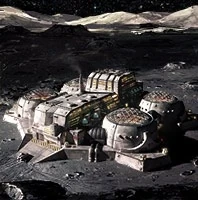
What kind of living facilities are necessary to live on a moon?  Some barren moons may need a full enclosed base, as we would need on our moon.  Some may not need such facilities, if they could be terraformed or were habitable from the start.

One of the races will come from a moon in one of the systems, originally. Likely they will have colonized their system and possibly moved on to nearby systems as well.


Another day where a little more detail gets presented. I've started to go through my exercises from the month and added them to the Obsidian Portal page for the campaign. It's really neat to see the pages practically fill themselves out.  A lot of it is just bullet points at this stage, but that's okay; it gives me something to work on and compiles it all in one location.

I'll be working on that, and a couple other things as we count down the days until the end of the month and the completion of this step of the project.

I may have already done a little of tomorrows task in my Day 24 post, but that's okay.  We're getting into the real nitty gritty and ironing out details, and I'm excited to see what I've got by next weekend.


Day 24: Mood III

Playing catch-up to yesterday's post, but here goes.

There appears to be a lot less structure to today's exercise, and more of a sense of refining what I have prom previous days.
Exercise
Go through your notes and make a "m?" note next to anything that doesn't actively fit into the mood you want to convey. It's all right to have mismatched moods, of course; in many ways, it's crucial to have a variety. But you want to know, when you write your novel, if a particular element is going to dilute the mood or not.
So I'm going over my notes for the past few weeks and here are some items that leap out at me as "doesn't really fit".
  •  The Wizard's Council. I think for what I want this campaign setting to be, the Wizard's Council, along with the fact that there is magic use in the Garden currently, runs counter to a major plot point I want in the first "arc".  Now, maybe I'll use the idea of the Wizard's Council in some form or another once magic becomes more wide-spread in the region, but for now I think I'll have to remove it.
  • This also means that Angela Cronin doesn't fit as written into the story arc either. That whole day's work gets thrown out because it doesn't fit. That's okay, sometimes these things happen like that.
  • I really need to come up with a better name for the Bathalian god that doesn't immediately give away anything for her origins or existence.
That's about it for everything I can see right now. I might find more as I go on.
Bonus Exercise:
Find a drawing or piece of artwork that captures the mood of your piece and print it out, preferably in color. Hang it on the outside of your notebook or near your desk. This might also be a good day to put together your moody playlist.
I'm going to admit, I'm horrible with "playlists" and "soundtracks for your character". I don't know if it's that I'm not that into a wide variety of music, and as such I don't have a breadth of  tracks to choose from. It also might be that music is something I usually just listen to, and don't really dig deep into meanings or evocative emotions. I'm not saying I never do that, more that it's hard for me to find pieces that appeal to characters or projects I'm working on.

Regardless, I like the Starcraft soundtrack for Trinary, which fits because it is definitely an inspiration for this setting.  But beyond that, I'm not very sure.

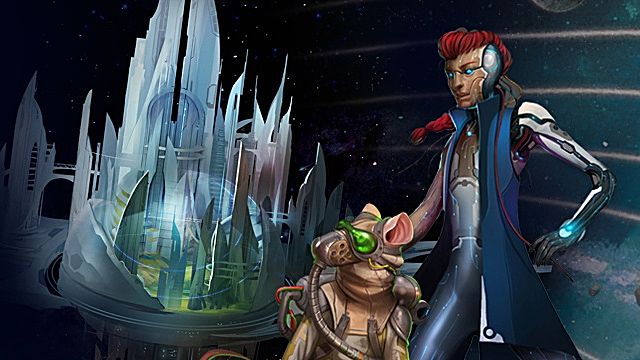
As far as images go, that's easy; I've been pulling images from the internet and I've hot a Pintrest folder for everything I've seen that I like.  Today's post is littered with a few of the images that call to me.

That'll do for this exercise, time to work on today's;  The Sky.

Back in a few.

Update: another point that occured to me that might deserve an "M?" next to; the name.  Trinary. It's an odd word, associated with three stars. I'm not sure it fits the name of my setting though. Not sure what I'd call it otherwise, maybe something to do with the Jump Gates or the Jump Drive.  Something to ponder...


Friday, September 23, 2016

Day 23: Culture II

For today's exercise, I recommend heading over to Bryant's page and briefly reading her more expanded instructions for today's activity.  Go on, I'll wait...
 Exercise
After 15 minutes of revisiting your notes with these kinds of questions in mind, you will have a good idea of any gaps in your background knowledge, and where you might need to change a few details (some major, hopefully most will be minor) to make everything more consistent. Remember: it's all right to have gaps, even at the end of this month. The process of writing the story will help you fill in the gaps and make a more coherent novel.
So we're revisiting societies and culture today, going back to my previous notes and trying to nail down a few things. I really like the questions as she wrote them, I'm pretty sure I can list them off and knock them down. So let's get to it...


Interstellar
Do you know the major political and social groups in your world? 
  • The Union, The Clans, and The Host are the three big ones. Minor ones will include the Mining Guild, the Danal Resistance, and the unnamed "Wizard's Council"
Where do they live? 
  • The Union lives in, well...The Union; 19 planets that form the largest political body within the Garden.
  • The Drachon Clans each live on their own homeworld, and rarely leave it for extended periods of time.
  • The Host will move into the Garden and start to take over worlds at Campaign Start.
  • The Mining Guild resides mostly within the Union, but it also has arrangements with other, individual systems and corporations.
  • The Danal Resistance lives on the planet Danal, with only a few points of contact outside that system.
  • The Wizard's Council (better name forthcoming) exists across the Garden and across all borders. The main base for the Wizards Council is hidden away somewhere within the Garden.
How are they similar?
  • The Union is the largest political body within the Garden, but it's not too dissimilar from the planetary governments around the Garden's other (non-Drachon) worlds. Ultimately, there is an underlying corruption to the Union; politicians who seek wealth, power, or both. Few are those who seek what is best for the people without any selfish interest. The Drachon are similar in that they have their own political hierarchy with their own ambitious members. Within each Clan are those who seek power and control, as well as those who want what is best for the Clans. The Host are another multi-planet empire, although much larger than The Union. There are some ambitious Bathal, but for the most part the Host works in unity with the Empress and the mandates of their Dark God.
  • The Danal Resistance and the Wizard's Council both work in secret, although for different reasons. They go to great lengths to protect their resources but are fervent in their mission.
In what ways do they vary? 
  • The Union will use the legal system and politics to obtain and secure resources, and will only resort to military action if there is no other way of obtaining their objectives.
  • The Drachon Clans use combat as their first method of securing resources. The clans are also raiders, taking what they need and rarely sticking around long enough to hold any territory for longer than a week or so. They rarely negotiate.
  • The Host...the host are somewhat similar to the Clans in that they will attack first, but they are more than happy to stick around after they conquer a location.
  • The miners guild is concerned with the wealth and well being of their workers, and negotiating the best deal they can for each.
  • The Danal Resistance is somewhere between a revolutionary movement and a terrorist organization (depends on the cell leader).  They want to free their world; some are willing to do it peacefully, some only care about bloodying the Union's nose as bad as possible on their way to independence.
  • The Wizard's Council wants to keep magic use under wraps; they are waiting for something, and act only in the interests of the Council in preparation from some future event.
What values do they hold most dear? 
  • The Union values order and bureaucracy; the great political machine working to control the worlds of The Union. Individuals within the Union value power and wealth, but some also value justice, fairness, and honor (they're simply fewer of those types than the power-hungry)
  • The Drachons value strength; physical strength, tactical strength, even mental fortitude. They look down on those who are lazy, or who are mediocre. If someone is disabled or disadvantaged and they refuse to succumb to that deficiency, that will impress the average Drachon.
  • The Host values faith and belief in their Dark God, and in the will of the Empress. Spreading the influence of The Host is paramount, as is support of the Host among the member worlds and species.
  • The Miner's Guild values fair trade, a fair deal, and the safety of their members. Risk is one thing; space mining is a dangerous profession. It's needless risk and liability that they oppose.
  • The Danal Resistance values freedom and liberty; the desire to not be governed by a foreign power and have their planet's resources exploited like they are.
  • The Wizard's Council values secrecy and information. They know a great deal about a great number of subjects.
Are they also racial groups, and if so, how do they differ physically from each other? 
  • There are so many racial groups within the Union it would take a day to itemize them all.
  • There are five different Drachon clans, and you can tell which clan a Drachon belongs to by their coloration (and in some cases their stature).
  • There are many different types of Bathal; there are humanoid ones that represent your average Bathal, but higher up in the hierarchy there are more monstrous Bathal. These are the leaders, the elite, the heads of state. They possess larger, more serpentine bodies with great, armored crests. Their psychic and divine abilities match their powerful, horrific appearance.  Finally, there is a sub class of servants and warriors called the Kulathi; these lesser beings are the populous of the Host, the masses. They do the grunt work of the empire, and outnumber the true Bathal by thousands. They are subservient to the Bathal, they wish to be ruled by them.
  • The mining guild and the Wizard's Council are made up of members and species from across the Garden. Only the Danal Resistance tends to be homogeneous in their composition (human, mostly)

Planetary
Who are the people in your main characters' homeland(s)? 
  • For the most part, the PCs will likely be from The Union. No matter the race, they will be working (probably) for the betterment of the Union public as a whole. While the government is tainted by corruption, the vast majority of Union citizens do want a better existence for all.
What's important to them? 
  • Life, liberty, and the pursuit of happiness, to steal a phrase. 
What language do they speak? 
  • The trade language of the Union is "Unionesse", or simply called "Kelsh" or "human" since that's primarily the root language of the Union.
What kind of industry do they have, and what kind of food production do they have? 
  • The Union pretty much produces everything and anything, but not on every world. Some worlds are "resource worlds", where the materials of production are found. Other worlds are "maker worlds", which imports materials needed to produce items. There are "agricultural worlds", and a few, rare self-sustaining worlds that don't really import much (these are probably also "vacation worlds").
What factions exist, and where does your protagonist fit into the factions? 
  • I'm going to have to think on this one. I have to figure there are political parties, racial movements, environmentalists, interest groups, and cultural movements. Too much to think on right now, but worth noting down to flesh out later.
What is the primary unit of money called, and what can it buy? 
  • There's nothing like Union Credit for interstellar commerce. Worlds may have their own currency too, but the UC is the main currency of trade and economics within the Union.

Regional
What is a typical town, city, or settlement like? 
  • Your average settlement is going to vary widely; from mega-cities and arcologies to modern towns and suburbia to outposts resembling the Wild West but with laser pistols.
All the other questions have to do with "the protagonist" and their home town, which is somewhat pointless for my exercise.


Tomorrow we get back into the Mood of this setting, with some bonus work that might be tricky for me to do tomorrow. Got a busy day ahead of me, so I might be pulling another "double duty" on Sunday and playing catch up.

Hope to be back tomorrow...

Thursday, September 22, 2016

Day 22: Geography

Today we go back to Social Studies and the geography of my world, at least according to Bryant. In my case it's a return to the stellar map of The Garden.

Redraw the map if you need to. It doesn’t need to be exact—when they put the map at the front of your beautiful book, the publisher will hire an artist to re-do it anyway. If you have no idea how to re-draw your map, get out a black marker and go over any pencil marks from your original that you will be keeping (like contours of the coast)-- leave out any lettering, as they won't show through well anyway. Put a second piece of paper over the first and trace over the black lines in pencil. Write in place names and any additional map key icons (little trees for forests, upside-down V's for mountains, etc.). Draw in your roads and rivers (remember: blue is always water on a map), and your cities, towns, and settlements.

I've got a map, and it's a decent map, but it does need work.  I'm sure some systems are going to shift around based on the limitations of Jump Gates and Jump Drive distances.  I want some planets to be accessible easily, and others that are just outside of traditional jump distance, requiring a circular arc to reach.  Doing so could allow for some adventurous and risk-taking captains to set their ship for 40 light-years instead of 30, and "go for the win".

Remember that the Arrival Point within a system could be millions or even billions of miles from the system's jump gate.  A ship that gets kicked into jump-space at Kel that emerges in the Fathosi system might still have to travel for 12 hours through that system to reach the Fathosi jump gate, which can then send them to D'kran where they face another 6 hour trip from the Fathosi/D'Kran arrival point to the D'Kran jump gate. Another jump to Kez, and then to Danal, and finally to Barm.  That ship could have spent 4-5 days just navigating to gates, meanwhile someone reckless enough to try a jump from Kel to Barm from the start would arrive in the Barm system instantly, albeit at the chance of damaging or destroying their Jump Drive (or their entire ship).

I can see a few worlds that need to be mapped out in full; worlds that will be focal enough (at the beginning of the game at least) to warrant the detail.  Kel, Danal, possibly Loros, one or two of the Clan worlds; they should have land masses and a couple points of interest mapped out.  I just need to figure out how I want to map these out.  The map I have currently doesn't translate well; or maybe it's just the methods that I've saved the map image as a JPEG don't carry the details well. I'll need to spend more time than 15 minutes allows to refine it.

Tomorrow marks the start of my final week of this project (the 30 Days of WorldBuilding, not the campaign setting). It's looking to be more refinement, nailing down of details, and final proparation for using the world in making the novel (or setting, in my case). I'm pretty excited and looking forward to finishing strong.


Wednesday, September 21, 2016

Day 21: Flora and Fauna

I have a feeling that today is going to be a lot of "busy work"; a day where I'm sort of spit-balling stuff on the fly and seeing what sticks.  Let's see if Bryant agrees...

Exercise 
Fill in the following lists. 

...yup. I was right....

Spend fifteen minutes or so sketching out some of the animals and plants your characters might encounter in your world. If you want to add a little fun, toss around some plot hook ideas while you're at it-- an unfortunate bite from a poisonous beetle can really throw a wrench in the Hero's Quest, and an unruly beast of burden might give some comic relief to your story-line.

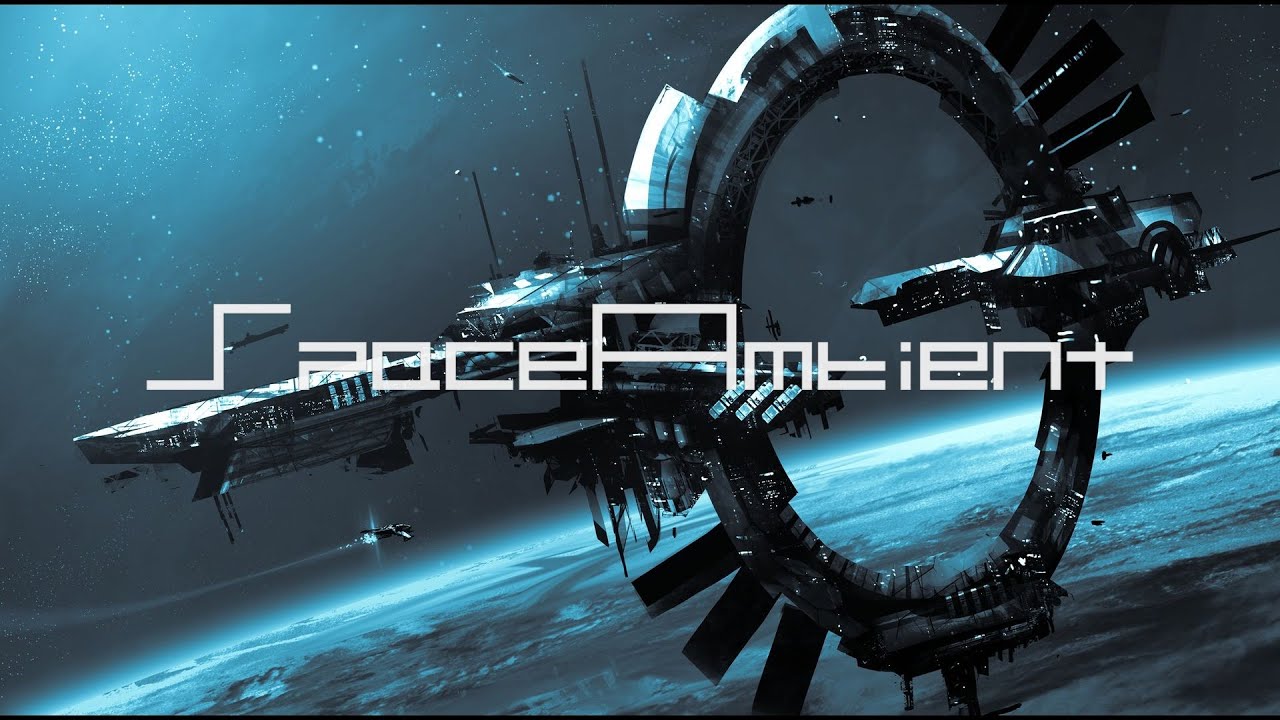
I'm going to go all out here and talk about The Garden as a whole, instead of one particular planet. I'm also probably not going to answer all her points, just the ones that interest me.
Flora

What plants are especially helpful to your society? Hemp and flax, for instance, are plants that provide important sources of non-animal fibers for making clothes, rope, and other materials. Are there similar crucial plants in your own world?
One of the planets in the Union has a flowering plant called the kura, the plant has a variety of applications from medicinal properties (the petals can be ground up into a coagulant), the pollen is an antihistamine (go figure!), and the stem of the plant is stringy and coarse; useful for a variety of cords and cloth.
What are your peoples' main crops? This will vary by region, but will likely be some type of grain or starch vegetable. Not only do humans need a certain amount of carbs to survive, but many work animals (horses, mules, oxen) thrive on grain rather than raw vegetable matter.
It's personally a family tradition, but I'm going to go with the potato. In The Garden, there will be many varieties; one for each planet. One planet might have large Idaho-like ones, another will grow red potatoes. Probably a blue potato somewhere too.

High Grain is also a valuable crop, one that will be fed upon by many livestock across the Garden.
What are considered delicacies? Just as strawberries are a real treat to some regions, and oranges were once a traditional and very coveted Christmas gift, sweet fruits and hard-to-grow crops can be very valuable to your people.
Cunasa; a purple fist-sized fruit that is shaped like a pear but segmented like an orange. It grows on only one planet in the equatorial region, but there are a lot of plantations that grow them for The Garden. 
What fruits and vegetables can be turned into liquor or other drugs and medicines? Did you know that grapes contain enough yeast on the surface of their skins to ferment naturally? It doesn't make very good wine, but it will make wine, if left alone long enough. Aspirin is derived from willow trees, and sassafras tea has a calming effect. Humans have been turning plants into booze and drugs since the Neolithic Revolution. What do your people use to kill pain, put patients to sleep, become intoxicated, or get high?
I'm lot looking to reinvent the wheel here, so there will be barley, hops, and grapes in The Garden so there will also be beer and wine. Potatoes mean vodka, or at the very least some sort of potato-based alcohol. I'm sure Cunasa-infused alcohol will be especially tasty and top-shelf in bars across the nebula.

There will be a poppy-like plant that will produce an opium high that will be a problem in the Garden, as well as several smoke-able plants to cover tobacco, clove, and marijuana equivalents.
What plants are dangerous? Hand-in-hand with the drugs and medicines question comes the poisonous and predatory plant question. Poisonous plants are plants with a passive defense-- they do not necessarily kill creatures because they need to, but rather because they are protecting their own biological imperative. Also, many plants are poisonous to one species, but fine for another; onions (a blood thinner) are fine for humans but can kill a small dog. In addition to passive defenses, there are some plants that are "predatory." They lure animals (usually insects) to them and kill them, with the eventual goal of composting the dead bodies into plant nutrients. On Earth, most predatory plants are in swamps, where soil nutrients are poor and airborne insects are plentiful. Do you have predatory plants on your world? Where are they, and do they only prey upon small insects, or do they pose a possible hazard to people as well?
 Since I'm going to be drawing a lot from the D&D Monster Manual, I've got all sorts of plants that are dangerous. I could be devious and have a plant that is very similar to the kura that is highly poisonous.

I also really want to have some plants that are dangerous to humans; not evil, just big, mean, and full of sharp thorns that will kill a man. They will look like normal, benign plants until something with blood is near then "WHAP", it's got you.

Fauna

What animals are especially helpful to your world? In addition to domestication species, you may find that one species of animal is actually very helpful to your people, perhaps by preying on some other creature that is a nuisance or hazard to people. Even if domesticated, felines could be used in a per-technological society to control a rat population that might otherwise spread disease.
There's going to be a big lizard beast of burden; the bronta. It will come in various sizes based on the planet, but in all cases it is a large beast with a long neck and tail. It's used for food, leather, beasts of burden, and even warfare on some worlds. 

...what?  Stop looking at me like that. Just because I want to have my own version of Dino-Riders in this game doesn't mean you get to judge me... 

On a similar vein, what animals have your people domesticated? Humans on Earth have domesticated a large variety of herd animals (horses, cows, sheep, goats, donkeys, llamas), several species of birds, and a few predatory animals (dogs and cats in particular). For the most part, we use the herd animals for work (horses and llamas) or food (cows and sheep), and the predatory animals for work or defense (dogs can be both working animals, in sled dogs and hunting dogs, or defensive animals, in herd dogs and guard dogs, while cats are largely defensive as hunters against pest animals).
Again; tapping into the D&D Monster Manual for inspiration here. In addition to Horses of various flavors, there will also be flying animals like griffons and hippogriffs that are domesticated for a variety of uses.  There are also other dinosaurs that have been domesticated for pets or work animals. I imagine a few velociraptor-like creatures that have been used as guard animals on some worlds.

Which of your fauna are used for food? Domesticated animals might be used for food, but wild animals may also be food sources in the form of game. In addition, if you have meat-eating domesticated animals, what do they eat, and do your people raise food animals for their domesticated meat-eaters?
As stated previously, bronta are a tasty animal, but there are sure to be move traditional bovines. Various deer or elk make for good meals, as do bears. And there ain't nothin' tastier than grilled wyvern, if you can get it without it killing you.

Food animals also lead into the question of delicacies and exotics. One man's food is another man's abomination. Few Americans would ever consider eating any meat from another primate, yet in African countries it is not uncommon. The recent fiasco in New York City over cuy, a type of guinea pig meat eaten in Central America, highlighted the conflicts in different cultures' food choices. 
I'm going to have to think on this one; especially because of the saying "it's only cannibalism if it's your own species"...

Finally, which animals are dangerous in your world? Which ones are actively predatory, and would consider your people as "meat" if given the opportunity or enough desperation? Dingos will not usually attack humans, but will perceive small humans as a possible food source if they are desparate (because of famine or habitation encroachment). Which animals are not active predators, but have passive defenses that pose a threat to your world's inhabitants? Snakes on Earth are not considered predators for humans-- they are too small to swallow humans whole, and therefore will not generally bother. However, they pose a threat with their defenses because, if they feel they are threatened, they will bite, sometimes injecting painful or even lethal venom into their victims. Steve Irwin has made a living handling these kinds of animals because he knows how to approach them without inciting their passive defenses. 
 Back to the Monster Manual here; Tyrannosaurs and other predatory dinos, but also manticores, wyverns, and the other classic bestial threats.

I wonder what other creatures I can fit in as a tounge-in-cheek threat...


I think that will do for today. Tomorrow we're back to Geography, and more literal world building.


Tuesday, September 20, 2016

Day 20: Plot Hooks

Today is going to be a very difficult day to write and share with you all, especially anyone who's interested in playing in this campaign setting. I've got rough outlines of who the overall villain as well as the villain of the first "arc" will be, but divulging that now really gives away the story.  It's a side effect of sharing this process that I was aware of when I started.  Still, let's see if I can get through to day without giving away the homeworld...

Bryant does a good job setting up today's exersice from the standpoint of "what question are you trying to answer with your novel?"
If you don't have a plot, that's fine. At the very least, though, perhaps you have a question? A conflict that keeps resurfacing in your novel preparation? No? Go back to your previous plot hook lists from last week and the week before. What do you see? Do certain conflicts keep coming up? At the most basic level, what do you see as the primary conflict, the #1 question you have to answer in your novel?
So, what question are you asking in your novel? Are you setting up a conflict between a Big Bad Guy and your Hero? Perhaps your question is as simple as "who will win?" Have you established a man-against-society conflict, in which your Hero struggles against the restrictions of his oppressive futuristic dystopia (a la 1984)?

If you really have no plot, and all you have is a string of plot hooks that I asked you to write, go ahead and write down the ones you want to use, and put them in their most logical order. When it comes time to actually write the novel, you can skip from plot hook to plot hook, and your story will be less like a single narrative and more like a collection of moments from your characters' lives. This is okay, too-- many novels work best as a series of interrelated adventures (and it's within the NaNo guidelines, too!)
I have to re-frame this in the contest of a campiagn story, and not a novel; but what is my question? What is my conflict? I've got a lot of stuff about Jump Gates from last week, but there are two other stories to be told around all this; the Bathal Invasion and the Magic Awakening. The Invasion and the Awakening are tied directly to each other, but how do the Jump Gates work into it?  How are they involved?

I'm going to look at what plot points from last week I REALLY like. I'm also going to give them a "title" to help organize them better.
  • Attacking to control a gate is a valid and accepted tactic of war. Intentional destruction of a gate is considered a war crime due to how vital they are for interstellar stability. Even the Drachon Clans shun such a tactic. Title: Gate Control
  • Theoretically, a gate could be made in a uninhabited star system and used to send ships to an unknown arrival point in another system. Title: Secret Gate
  • Jump gates are necessary for interstellar communication. One-way messages between systems are possible only through the jump gate stations and jump gate buoys; which are placed at arrival points within star systems. Without the buoys at the arrival points, messages sent to the system from another jump gate could not be received.  This would allow the possibility of someone destroying or moving a buoy and parking a communications ship in it's place to intercept incoming transmissions. Title: Communication Disruption
  • Jump gates are necessary for interstellar trade. Many colonies on many worlds would fail without a constant supply of some needed resource (food, water, consumables, materials), while other planet's economies would fail without the income generated by those exports.Some scientists have theorized alterations to the space-time equations that govern Jump technology. They theorize that by changing the space or time constant, the other variable would be affected; meaning by changing how long a jump takes, the distance jump could be affected (a ship jumps farther in a single jump, but it takes minutes, hours, or days before it arrives at the arrival point). Alternately, time could be folded more than space, and a jump through time could be possible. Research on the "long jump drive" is underway by a few corporations for the Union military, but all research on "temporal jump theory" is in a theoretical stage only (no practical temporal jump drives or gates are in development). Title: System Isolation 
  • Mine or ambush of a known arrival point is a questionable and dishonorable tactic, but it is still used during times of war. Title: System Blockade
...I'm starting to see a pattern and flow here...
  1. Gate Control
  2. Communication Disruption
  3. System Blockade
  4. System Isolation
  5. Secret Gate
The first four points become a tactic, a method of conflict. The fifth point becomes a way around it.  The Secret Gate becomes a method to strike back against the forces defending a system, especially if the gate can deploy forces to an arrival point not known by the invaders.

This works out the mechanical conflict, and likely will evolve into how the Bathal will operate once they reach the Garden. Another possibility is that this will be how the Union will respond, and when they try to utilize the Secret Gate to send a counter-invasion force to a Bathal controlled system, it will go horribly awry because the Bathal have the power of God on their side. Which would reveal a need for magic to be utilized to counter the Bathal superiority.

I like where this is all going...I really do.


Tomorrow we get a little weird talking about Flora and Fauna. I'm up for a deep challenge because I've got a wide variety of planets to work on.  Should be fun!